How to Clean Wooden Kitchen Products
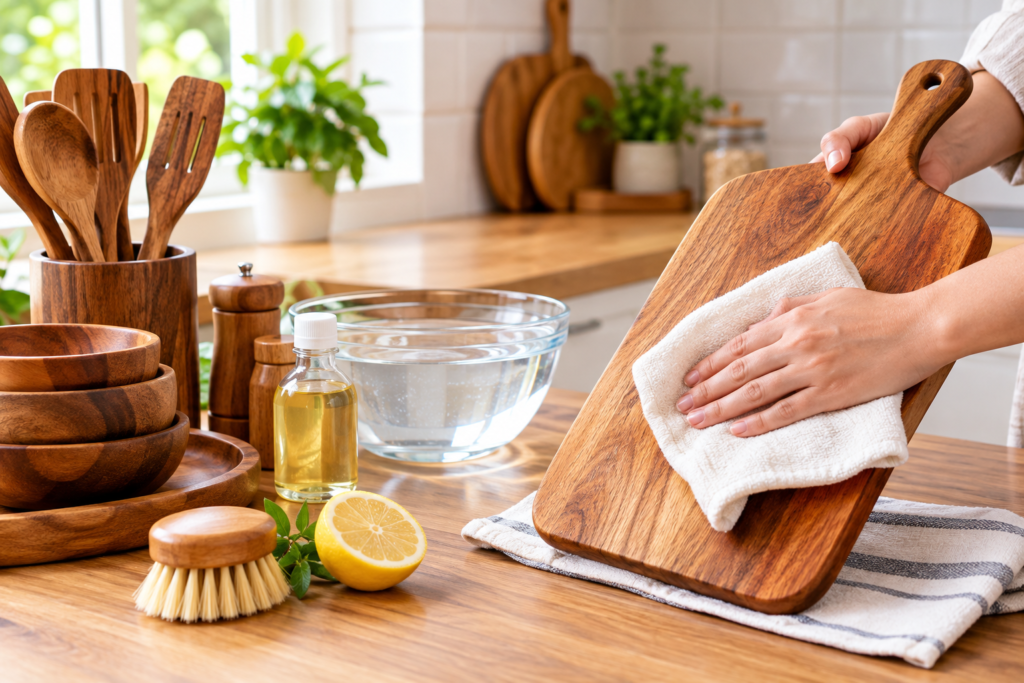
Wooden kitchen products add a natural, warm touch to any kitchen. From wooden spoons and spatulas to chopping boards, serving trays, bowls, and chakla belan sets, these products can be useful for everyday cooking and serving.
However, proper cleaning and care are important if you want your wooden kitchen products to stay in good condition. Unlike glass or metal, wood is a natural material that can absorb moisture if it is not cleaned and dried correctly.
The good news is that cleaning wooden kitchen products does not have to be complicated. With a few simple habits, you can keep your wooden utensils and accessories clean, fresh, and ready for regular use.
Why Proper Cleaning Matters for Wooden Kitchen Products
Wood can absorb water and food residue. Leaving wooden products wet for too long may contribute to unpleasant odors, staining, surface roughness, or damage over time.
Proper cleaning helps remove food particles and keeps the surface in better condition.
Whether you are cleaning a wooden spoon, chopping board, serving tray, bowl, or rolling board, the basic approach is simple: clean gently, avoid prolonged soaking, and dry thoroughly.
How to Clean Wooden Kitchen Products Step by Step
1. Remove Food Residue
Start by removing any leftover food from the wooden product.
Use a soft sponge, cloth, or suitable kitchen brush to gently remove visible food particles. Avoid using unnecessarily abrasive materials that could scratch the surface.
For products such as wooden spoons and spatulas, rinse away loose food residue before washing.
2. Wash With Mild Soap and Water
Use a small amount of mild dish soap with warm water.
Gently wash the surface using a soft sponge or cloth. Pay attention to areas where food may collect, such as grooves, edges, handles, or textured surfaces.
For wooden chopping boards, clean both sides when necessary rather than washing only the side that was used.
3. Avoid Long Soaking
One of the most important rules for wooden kitchen product care is to avoid leaving wooden items submerged in water.
Extended soaking can allow moisture to penetrate the wood and may contribute to swelling, cracking, warping, or other damage.
Instead, wash the product promptly and move on to the drying step.
4. Rinse Thoroughly
After washing, rinse away soap and food residue with clean water.
Do not use excessive water unnecessarily. The goal is to remove cleaning residue while keeping the time the wood remains wet as short as practical.
5. Dry Immediately
Drying is just as important as cleaning.
Use a clean, dry kitchen towel to remove excess moisture. Then place the product somewhere clean with good airflow so it can dry completely.
Avoid storing wooden kitchen products while they are still damp.
How to Clean Different Wooden Kitchen Products
Different wooden products may need slightly different care.
Wooden Spoons and Spatulas
Wash wooden spoons and spatulas after use with mild soap and warm water. Rinse thoroughly and dry them completely before storing.
If they develop a rough surface over time, follow the manufacturer’s care instructions for restoring or maintaining the finish.
Wooden Chopping Boards
Remove food residue promptly and wash the board with mild soap and water. Dry it thoroughly after cleaning.
It is also important to use separate boards when appropriate for different types of food and to replace a board if it becomes deeply cracked or excessively damaged.
Wooden Chakla Belan
For a wooden chakla belan, wipe away flour and dough residue after use. Clean the surface gently with a damp cloth or a small amount of mild soap and water when necessary.
Do not leave the chakla or belan submerged in water. Dry both pieces thoroughly before storing them.
Wooden Serving Trays
Wipe or wash the tray according to its finish and manufacturer’s instructions. Avoid prolonged soaking, especially if the tray has joints, decorative details, or a special finish.
Dry it completely before putting it away.
Wooden Bowls
Clean wooden bowls gently after use and dry them promptly. If the manufacturer provides specific instructions for food-safe finishes or conditioning, follow those recommendations.
What Should You Avoid When Cleaning Wooden Kitchen Products?
Knowing what not to do is just as important as knowing how to clean wooden kitchen products.
Avoid:
- Soaking wooden products for long periods
- Leaving them wet overnight
- Using extremely abrasive scrubbers
- Storing them while damp
- Using harsh cleaning methods not recommended for the product
- Putting a wooden product in a dishwasher unless the manufacturer specifically states that it is dishwasher-safe
Different wood types and finishes can react differently to heat, moisture, and cleaning products, so always check the manufacturer’s instructions when available.
How Often Should You Clean Wooden Kitchen Products?
Clean wooden kitchen products after each use when they come into contact with food.
Deep maintenance depends on how frequently the product is used and its condition. Regular inspection is useful because you can identify rough surfaces, deep cracks, unusual odors, or other signs of wear before they become bigger problems.
For food-contact products, replace items that become severely cracked, split, or difficult to clean properly.
How to Keep Wooden Kitchen Products Fresh
Good storage habits can make a significant difference.
Keep wooden spoons, spatulas, boards, trays, and other accessories in a dry, well-ventilated location. Avoid tightly packing damp products together.
A wooden utensil holder can help keep frequently used tools organized while allowing air to circulate around them.
If a wooden product requires oiling or conditioning, use only the type recommended by the manufacturer and follow the product instructions.
Frequently Asked Questions
Can I wash wooden kitchen utensils with soap?
Yes. Wooden utensils can generally be cleaned with mild dish soap and water. Wash them promptly, rinse thoroughly, and dry them completely.
Can wooden kitchen products be soaked in water?
It is best to avoid prolonged soaking. Extended exposure to water can contribute to swelling, cracking, or warping.
Can I put wooden kitchen products in the dishwasher?
Do not assume that wooden products are dishwasher-safe. Check the manufacturer’s instructions first. High heat and prolonged moisture exposure may damage some wooden products.
How do I stop wooden kitchen products from smelling?
Clean them promptly after food use, rinse thoroughly, and allow them to dry completely in a well-ventilated area. Persistent odors may indicate that the product needs deeper maintenance or replacement.
How long do wooden kitchen products last?
Their lifespan depends on the wood, construction, finish, frequency of use, and maintenance. Proper cleaning, drying, storage, and timely replacement of damaged items can help maintain their usability.
Final Thoughts
Learning how to clean wooden kitchen products is simple when you follow a few basic habits: remove food residue, wash gently with mild soap and water, avoid prolonged soaking, and dry the product thoroughly.
Whether you use wooden spoons, spatulas, chopping boards, trays, bowls, or a chakla belan, proper care can help keep these products useful and attractive for longer.
The key is consistency. Clean after use, dry properly, store carefully, and follow the manufacturer’s care instructions. With these simple steps, your wooden kitchen products can remain a practical and attractive part of your everyday kitchen.