
Wooden Roti Maker Buying Guide: How to Choose the Best One
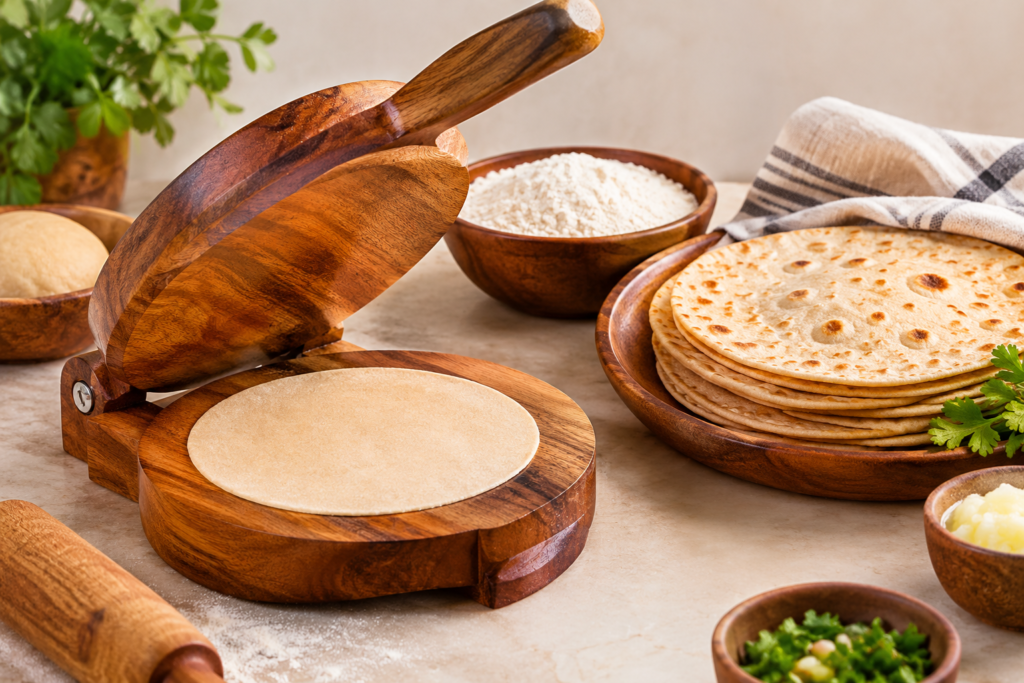
Making soft, round rotis is a daily activity in many Indian homes. Having the right kitchen tools can make this task easier and more convenient. A wooden roti maker is a traditional kitchen accessory that helps with preparing and shaping dough for rotis and chapatis.
However, choosing the right wooden roti maker can be confusing because different products vary in size, wood quality, design, and finish.
In this wooden roti maker buying guide, you will learn what to check before buying, how to choose the right size, and how to maintain your wooden kitchen tool for everyday use.
What Is a Wooden Roti Maker?
A wooden roti maker is a kitchen tool made from wood and designed to help prepare rotis or chapatis. Depending on the design, it may include a flat rolling surface, a rolling pin, or a manual pressing mechanism.
Traditional wooden rolling boards and rolling pins are https://nlsenterprises.in/ popular because they are simple to use and do not require electricity.
When shopping, check the product description carefully. A wooden rolling board and pin are different from a manual roti press, so choose the type that matches your cooking needs.
1. Choose Good-Quality Wood
Wood quality is one of the most important factors when buying a wooden roti maker. Since the tool comes into contact with food, it should be made from suitable, well-finished materials.
Look for wood that is smooth, sturdy, and free from visible cracks, splinters, or rough edges.
Here are some points to consider:
- Smooth surface: Helps prevent dough from catching on rough areas.
- Strong construction: Reduces the risk of cracking during normal use.
- Food-contact suitability: Choose a product intended for preparing food.
- Good finishing: The surface should not have peeling coatings or strong chemical odours.
Some products use sheesham, neem, or other types of wood. The best choice depends on the quality of the material, the finish, and the manufacturer’s information.
Do not assume that a particular wood is automatically food-safe. Check whether the product is suitable for direct food contact.
2. Select the Right Size for Your Kitchen
The size of your wooden roti maker affects how easily you can prepare rotis.
A larger rolling board gives you more room to roll dough, while a compact board is easier to store in a small kitchen.
Before purchasing, consider your available counter space and the size of rotis you usually make.
Keep these tips in mind:
- Choose a board with enough room to roll dough comfortably.
- Check the diameter and thickness of the board.
- Make sure the rolling pin is comfortable to hold.
- Select a compact design if your kitchen has limited storage space.
If you regularly prepare rotis for several family members, a larger rolling surface may be more convenient.
3. Check the Design and Ease of Use
A good wooden roti maker should be easy to handle and practical for daily cooking.
Traditional rolling boards usually have a simple, flat design. Some have raised edges or a slightly shaped surface to help keep the board stable during use.
Before buying, check whether the design suits your cooking style.
For a rolling board, look for a level surface and a stable base. For a rolling pin, choose a shape that feels comfortable in your hands.
If you prefer a manual pressing device, read the instructions and check whether it is designed for the type of dough you normally use.
Buying tip: A simple design is often a practical choice for everyday cooking because it is easy to use, clean, and store.
4. Look for Durability and Strong Construction
A wooden roti maker should withstand regular kitchen use when properly maintained.
Check the overall construction before making a purchase. The board should feel stable, and the rolling pin should have a smooth, comfortable finish.
Avoid products with loose parts, deep cracks, rough joints, or visible damage.
Also consider the thickness of the board. A board that is too thin may move around during use if it lacks a stable base.
If you are buying online, read customer reviews and examine product photographs carefully. Look for information about the material, dimensions, finish, and care instructions.
5. Compare Price and Value for Money
The price of a wooden roti maker depends on its material, size, craftsmanship, design, and brand.
A low-priced product may suit occasional use, while a well-made option may be a better investment for daily cooking.
However, a higher price does not always mean better quality.
Compare products based on the following factors:
- Wood quality and finish
- Size and thickness
- Stability and construction
- Ease of cleaning
- Customer feedback
- Warranty or return policy, where available
Choose a wooden roti maker that meets your needs and budget rather than paying extra for features you do not require.
6. Learn How to Clean and Maintain It
Proper care helps keep your wooden roti maker clean and in good condition.
Follow these simple maintenance tips:
- Remove loose flour and dough after each use.
- Wipe the surface with a clean, slightly damp cloth.
- Dry the board and rolling pin thoroughly.
- Avoid soaking wooden tools in water.
- Do not put them in a dishwasher unless the manufacturer specifically permits it.
- Store them in a dry, well-ventilated place.
Avoid using harsh cleaning chemicals on surfaces that come into contact with food. Follow the manufacturer’s care instructions for the specific wood and finish.
Regular cleaning and proper drying can help reduce moisture damage and extend the useful life of your wooden kitchen tools.
Frequently Asked Questions
Which wood is best for a wooden roti maker?
The best wood depends on its quality, construction, finish, and suitability for food contact. Look for a smooth, sturdy product with clear material and care information.
Is a wooden roti maker good for everyday use?
Yes. A well-made wooden rolling board and pin can be suitable for everyday roti preparation when cleaned and maintained properly.
How do I choose the right size of a wooden roti maker?
Consider the size of the rotis you prepare, the space available on your kitchen counter, and your storage needs. Choose a board that provides enough room to roll dough comfortably.
How should I clean a wooden roti maker?
Remove dough and flour, wipe the surface with a slightly damp cloth, and dry it thoroughly. Avoid soaking the wood in water.
What should I check before buying a wooden roti maker online?
Check the wood type, dimensions, surface finish, construction quality, customer reviews, product photographs, and return policy.
Conclusion
Choosing the right wooden roti maker can make everyday cooking more convenient. Focus on wood quality, size, stability, design, and ease of maintenance before making your purchase.
A smooth, well-made wooden rolling board and pin can be a useful addition to an Indian kitchen. By comparing product details and choosing a design that suits your cooking habits, you can find a practical option for preparing rotis at home.
Final tip: Always choose a wooden roti maker designed for food preparation, and keep it clean and completely dry after use to maintain its quality.