How to Choose the Right Wooden Chakla Belan for Roti
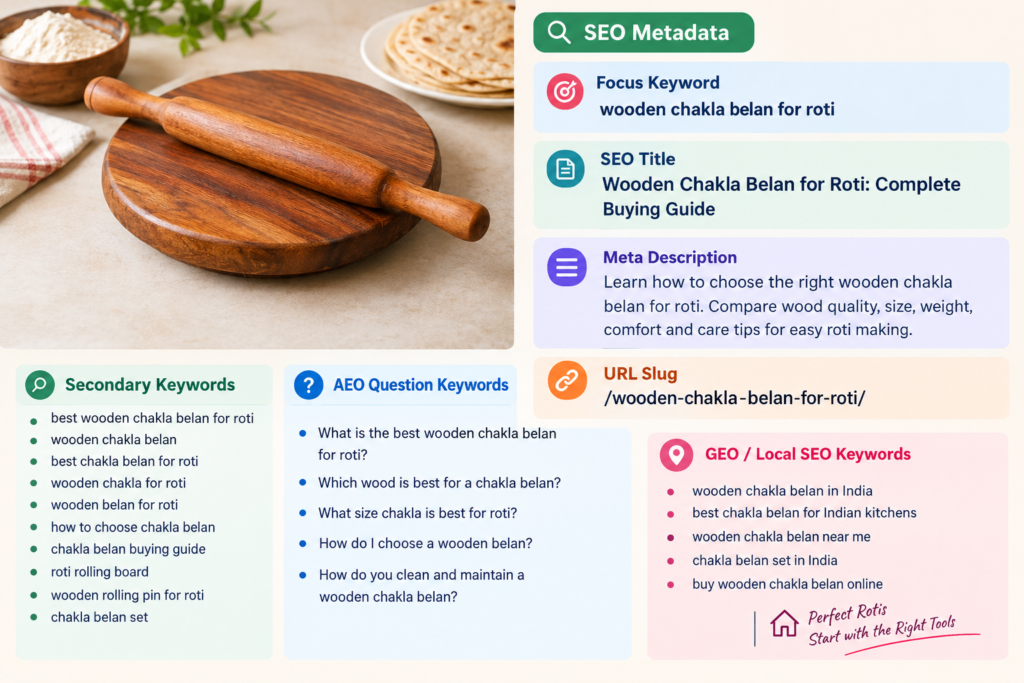
Making soft, round, evenly cooked roti starts long before the dough reaches the tawa. Your flour, kneading technique and cooking temperature matter, but the humble chakla belan also plays an important role. A well-designed wooden chakla gives you a stable surface, while the right belan helps you control pressure and roll the dough evenly. If you are searching for the best wooden chakla belan for roti, the goal is not simply to find the cheapest set—it is to choose the right combination of wood quality, size, weight, smoothness, stability and comfort.
Current Indian kitchenware listings commonly offer wooden https://nlsenterprises.in/ chakla boards around 22–25 cm in diameter and belans around 30–37 cm long, although dimensions vary by manufacturer. So, how do you choose one that actually feels comfortable in everyday use? Let’s break it down.
What Is a Wooden Chakla Belan?
A chakla is the round rolling board on which dough is placed, while the belan is the wooden rolling pin used to flatten it. Together, they form one of the most traditional tools for preparing roti, chapati, paratha and puri in Indian kitchens. The direct-handled, relatively slim Indian belan is particularly suited to flatbreads because it allows you to control the pressure and direction of each rolling movement.
For everyday roti making, the combination should feel like an extension of your hands. If the chakla moves around or the belan is too thick, too heavy or poorly finished, rolling can become unnecessarily difficult. On the other hand, a stable board and comfortable wooden pin can make it easier to maintain an even thickness and shape.
1. Choose the Right Wood Quality
Wood type is one of the first things to check when buying a wooden chakla belan. Common choices include hardwoods such as sheesham, teak, neem and mango wood. Recent buying guides and Indian product listings show these woods frequently used for traditional rolling boards and pins.
Look for wood that feels solid and well-finished rather than excessively light or flimsy. The surface should be smooth enough for comfortable rolling, but it should not have a thick artificial coating that may wear away with repeated use.
Also inspect the grain and construction. Avoid products with visible deep cracks, loose sections, rough splinters or significant warping. A well-made wooden chakla should sit reasonably flat and remain stable while you roll.
2. Pick a Practical Chakla Size
For most home kitchens, a medium-sized round chakla is a practical choice. A diameter of roughly 22–25 cm (about 9–10 inches) provides enough space for common roti sizes without taking up excessive countertop space. Several current product listings fall within this range.
If your kitchen counter is small, an oversized chakla can become inconvenient. If the board is too small, however, your dough may extend beyond the working area while rolling.
Think about the roti you normally make. For standard Indian rotis and chapatis, a medium round board is generally sufficient. Families making larger parathas may prefer a little extra rolling space.
3. Select a Comfortable Belan
The belan should match your hand size and rolling style. Traditional Indian belans are usually relatively slim and are held directly at the ends rather than using large rotating handles. Their compact shape makes them suitable for roti and other Indian flatbreads.
Don’t automatically assume that a heavier belan is better. A little weight can help with firm dough, but excessive weight can make everyday rolling tiring and reduce control. A comfortable belan should allow you to make smooth back-and-forth movements without needing excessive downward pressure.
When possible, hold the belan before buying it. Check whether the ends feel comfortable and whether the centre is smooth without sharp edges or splinters.
4. Check Stability Before Buying
A good chakla should stay firmly in place while you roll. Stability is especially important for beginners because a moving board makes it harder to apply consistent pressure.
Some chaklas are designed with a wider or heavier base, while others rely on their weight and flat construction for stability. Current kitchenware guides also emphasize a stable rolling surface as an important consideration for safe and controlled use.
If your countertop is slippery, consider where you will place the chakla before purchasing. A stable work surface can make almost as much difference as the board itself.
5. Look for a Smooth, Food-Contact Surface
The surface should be smooth, clean and free from splinters. You want the dough to roll naturally without catching on rough patches.
At the same time, extremely polished wood is not automatically better. A suitable wooden surface can provide enough grip to help control dough while rolling. Some culinary guidance notes that unfinished wooden rolling pins can work well because a light coating of flour can adhere to the surface.
Before buying, run your fingers gently across the board and belan. If you notice rough spots, cracks or splinters, choose another product.
Wooden Chakla Belan Buying Checklist
| Feature | What to Look For |
|---|---|
| Wood | Good-quality, durable hardwood |
| Chakla size | Around 22–25 cm for everyday roti |
| Belan | Comfortable, smooth and easy to control |
| Surface | Smooth and free from splinters |
| Stability | Board should sit firmly on the counter |
| Construction | No deep cracks, warping or loose parts |
| Care | Easy to wipe, dry and maintain |
How to Care for a Wooden Chakla Belan
Even a high-quality wooden chakla belan needs proper maintenance. Do not leave wooden kitchen tools wet for long periods, because moisture can contribute to swelling, cracking, warping or unpleasant odours. Current care guidance recommends cleaning wooden rolling tools gently, avoiding prolonged soaking and drying them thoroughly after use.
After making rotis, remove loose flour and wipe the surface clean. If washing is necessary, use a small amount of water and a mild cleaning method rather than leaving the chakla submerged. Dry it immediately and store it somewhere dry with good airflow.
Some manufacturers also recommend periodically applying a suitable food-safe oil to help maintain the wood. Always follow the care instructions supplied with your particular product because finishes and wood types can differ.
Wooden vs Marble Chakla: Which Should You Choose?
If you are comparing materials, the choice largely comes down to how you cook. Wooden chaklas are lightweight, familiar and easy to handle, making them a popular choice for everyday Indian flatbreads. Marble boards are heavier, smoother and naturally cool, which can be useful for certain pastry applications, but their weight may be less convenient for everyday kitchen handling.
For someone specifically looking for a traditional wooden chakla belan for daily roti making, focus on quality and ergonomics rather than simply choosing the heaviest or most expensive product.
Frequently Asked Questions
What size wooden chakla is best for roti?
For everyday home cooking, a chakla around 22–25 cm (9–10 inches) is a practical size. It provides enough room for standard rotis while remaining easy to store and handle.
Which wood is good for a wooden chakla belan?
Hardwoods such as sheesham, mango and teak are commonly used for wooden chakla belan sets. Quality, construction and proper maintenance are just as important as the name of the wood.
How do I clean a wooden chakla belan?
Remove loose flour, wipe or gently clean the surface and dry it thoroughly. Avoid prolonged soaking because excess moisture can damage wooden kitchen tools.
Is a wooden chakla good for daily roti making?
Yes. A properly made wooden chakla paired with a comfortable belan is a traditional and practical option for preparing roti, chapati and paratha.
What should I check before buying a wooden chakla belan online?
Check the wood type, dimensions, product construction, surface finish, belan length, customer feedback and care instructions. Also verify whether the seller clearly describes the material and food-contact suitability.
Conclusion
Choosing the right wooden chakla belan for roti is easier when you focus on the details that affect everyday cooking: wood quality, board size, belan comfort, surface smoothness and stability. For most Indian home kitchens, a medium-sized wooden chakla paired with a lightweight-to-moderate traditional belan can provide a comfortable setup for daily rotis.
Don’t buy simply because a product looks attractive in a photograph. Check its dimensions, construction and care requirements, and make sure the belan feels comfortable in your hands. With the right chakla belan—and a little practice—rolling evenly shaped rotis becomes much more natural.